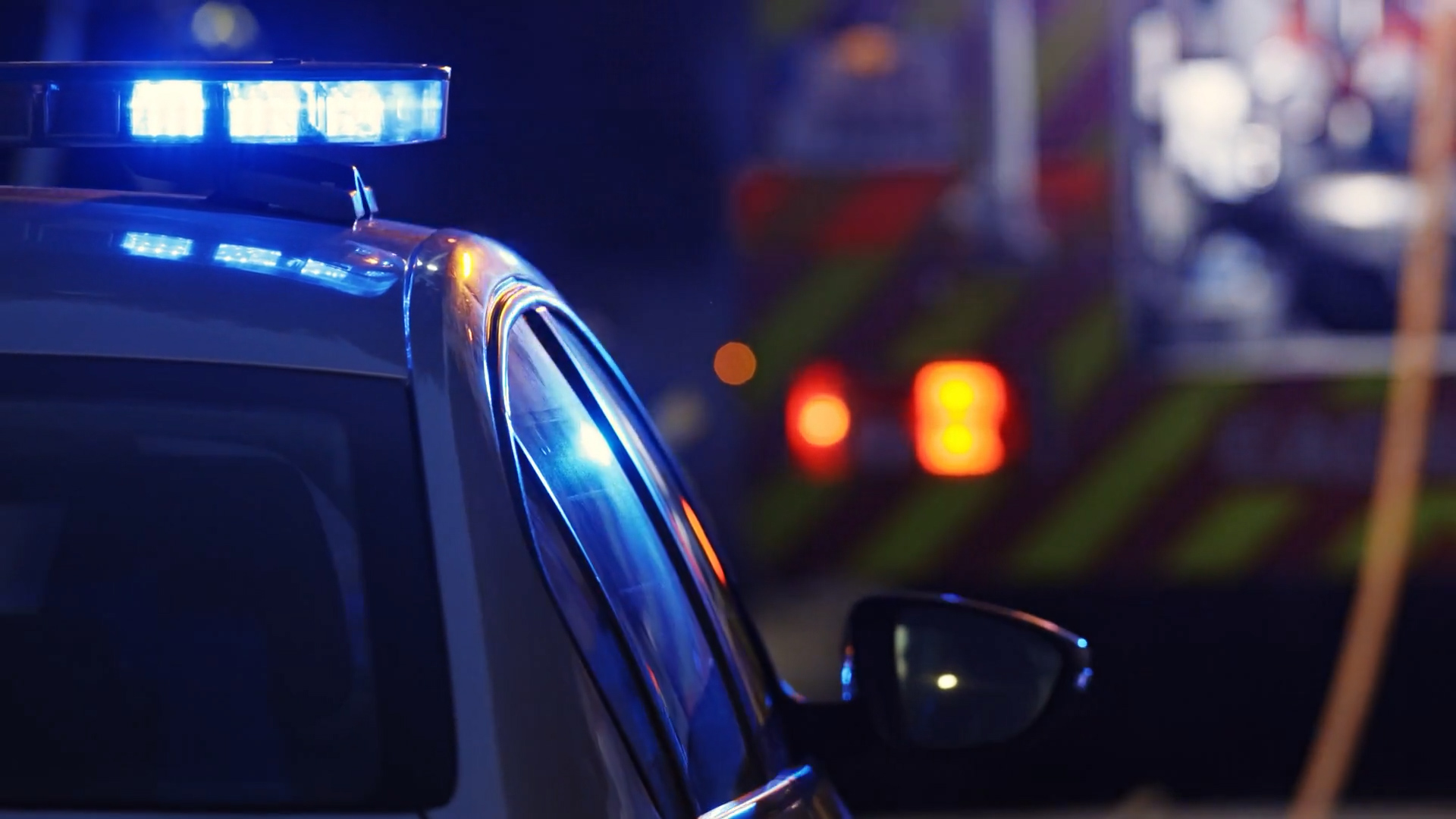
Rundberg Has One Of The Highest Rate Of Officer-Involved Shootings In Austin
This story was reported in partnership with The Austin Current.
Over the past eight years, more officer-involved shootings have occurred in District Four than any other area of Austin, and Hispanic men were much more likely to be injured or killed in these occurrences.
That’s according to a new dashboard created by the Austin Police Oversightoffice. The APO collected records of every officer-involved shooting since 2018 and analyzed demographic data of the officers and the individuals involved, fatality and injury records, and what types of weapons were used. Together the data shows that Hispanic men made up roughly 46% of all individuals in officer-involved shootings, while nearly 70% of officers involved were white and had been on the force for only one to four years.
“I think it was important for the public to be able to see what exactly happened,” says Crystal Kimbrough, a policy compliance consultant with the Office of Police Oversight who helped create the dashboard. “It's transparency.”
Latino individuals were overrepresented in OIS cases compared to the city’s demographic data. Hispanic subjects made up about 46% of the individuals in OIS cases. But the Latino community comprises just 32% of Austin’s overall population.
Between 2018 and 2025, there were a total of 60 officer-involved shootings. According to the APO, that number is fairly consistent with other cities that are a similar size as Austin.
“We are not extremely high. It's pretty average,” says Kimbrough. “A city that's close to our size would be Fort Worth. That's probably the most comparable.”
11 officer-involved shooting, or OIS, cases have taken place in District 4 since 2018, which encompasses Rundberg and St. John’s neighborhood south of Interstate Highway 183. Five were in Rundberg, and six took place in the St. John's community. According to the dashboard, District 4 had more OIS incidents than any other Austin council district. A majority of those took place in 2022. Most took place along busy corridors including Rundberg Lane and along I-35.
According to APO, on average 2.5 officers were involved in OIS cases between 2018 and 2025. Pistols were used by 91 of the 151 officers involved in those cases. Less lethal weapons were used roughly 9% of the time. APO says while they don’t have any recommendations for APD yet, they expect any they make in the future will be around officer training.
“This really involves use of force policies and also training,” says Kimbrough. “Training is where, I believe, we set the tone on these things moving forward and use of force and de-escalation.”
Since January, APD officers have been training on new use of force policies aimed at de-escalation. APD changed their use of force policy to include a clearer focus on de-escalation techniques. And non-escalation and de-escalation tactics training is now required for all Austin police officers. During a city council work session in April, Robin Engel, a research scientist on APD’S Use of Force Taskforce that revised APD’s policy, said it now sets a “renewed focus and expectation on de-escalation.”
“We are doubling down on de-escalation, specifically in terms of training, but also in practice,” Engel said during the session. “That's included now formally in policy.”
But the APO also says that this dashboard still signifies real people, and bringing those numbers even lower starts with training.
“Data tells a story,” says Kimbrough. “And we need to be able to see the trends over time.”
Community journalism doesn’t happen without community support.
Got story ideas, advice on how we can improve our reporting or just want to know more about what we do? Reach out to us at news@klru.org.
And if you value this type of reporting, then please consider making a donation to Austin PBS. Your gift makes the quality journalism done by the Decibel team possible. Thank you for your contribution.
More in Politics:


See all Politics posts


Contact Us
Email us at news@klru.org